Ninth Sunday after Trinity AD 2026
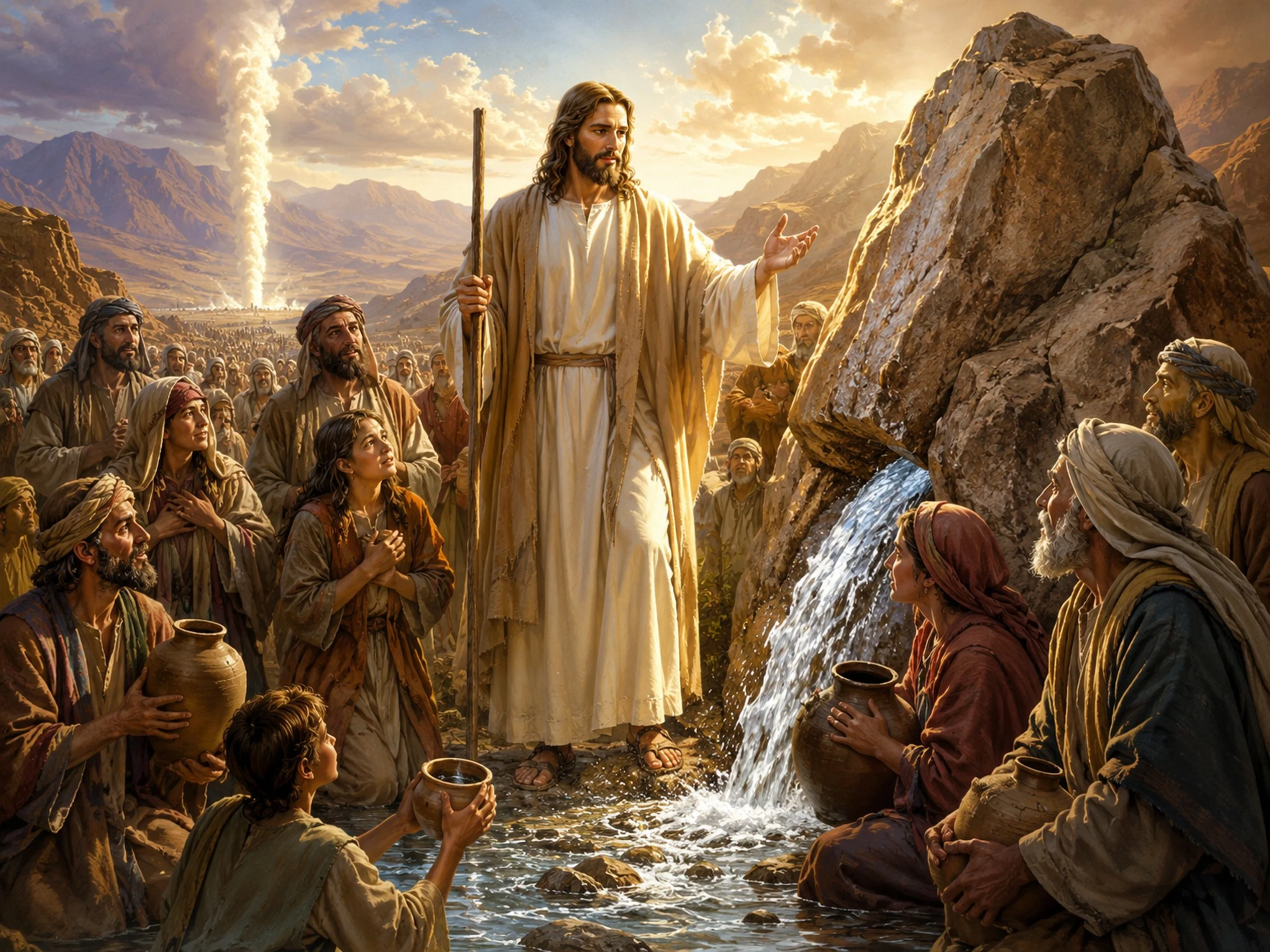
In today’s Epistle, Saint Paul shows us how the Bible ought to be read: not merely as a collection of spoken and written words, but in such a way that we encounter there the eternal Word of God, His only begotten Son, through whom we were created, in whom we are redeemed, and by whom we are called to eternal life.
Eighth Sunday after Trinity AD 2026
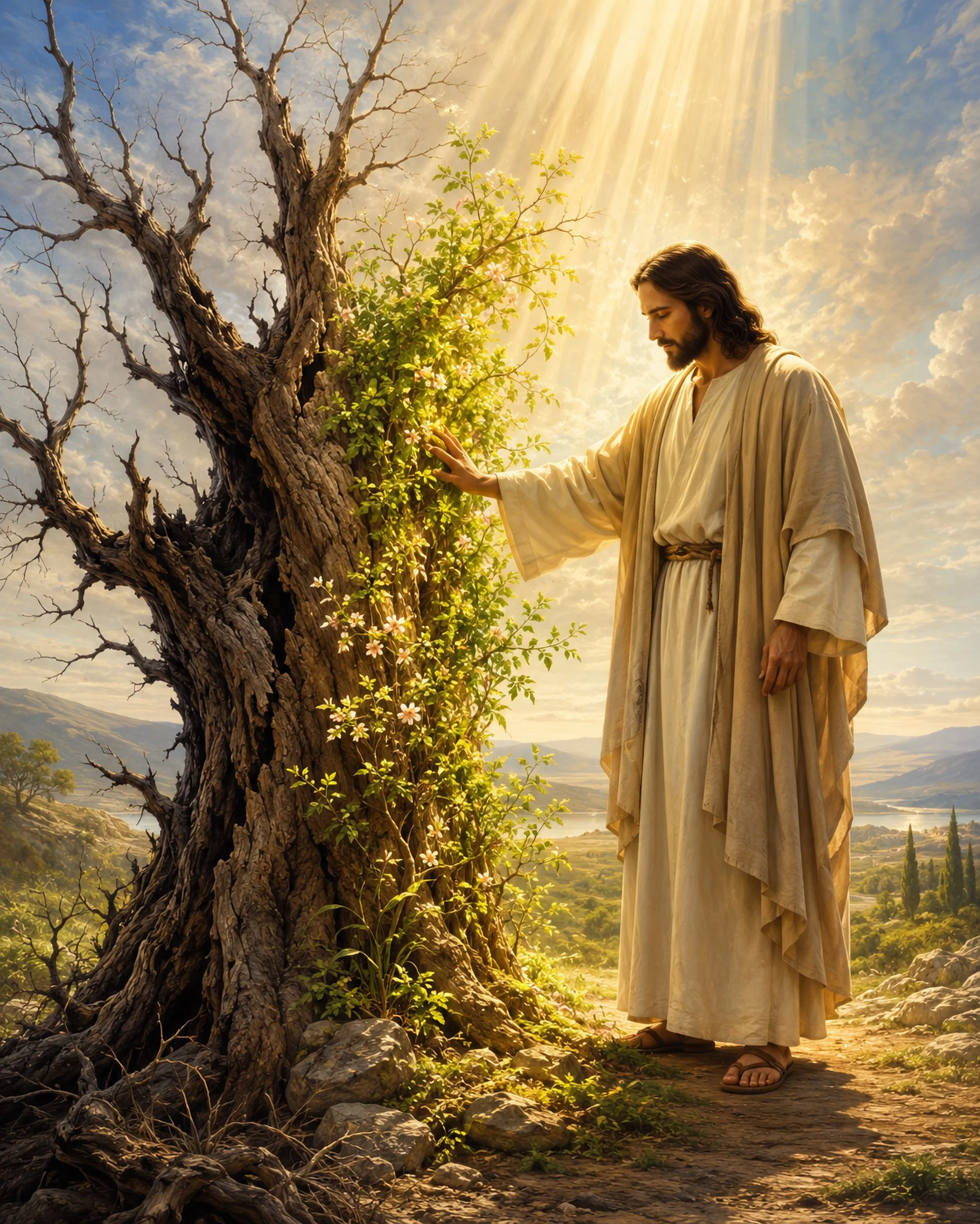
Our Lord says: «Not every one that saith unto me, Lord, Lord, shall enter into the kingdom of heaven; but he that doeth the will of my Father which is in heaven.» We do the will of God when we live as He intended us to live when He created us: in purity, righteousness, holiness, and self-giving love. But this is possible only when God Himself cleanses us, justifies us, sanctifies us, and fills us with His perfect love.

Seventh Sunday after Trinity AD 2026
When we say that “the wages of sin is death,” these words may be understood in two ways. The first is probably the more common: sin must be followed by punishment, and death is the wage paid to the sinner for his unrighteous deeds. But there is another way of understanding these words: the wages of sin—death—is not merely a punishment imposed for committing sin; it is also the natural consequence of sin itself. Death is the wage that sin pays to the one who has become its slave.
Sixth Sunday after Trinity AD 2026
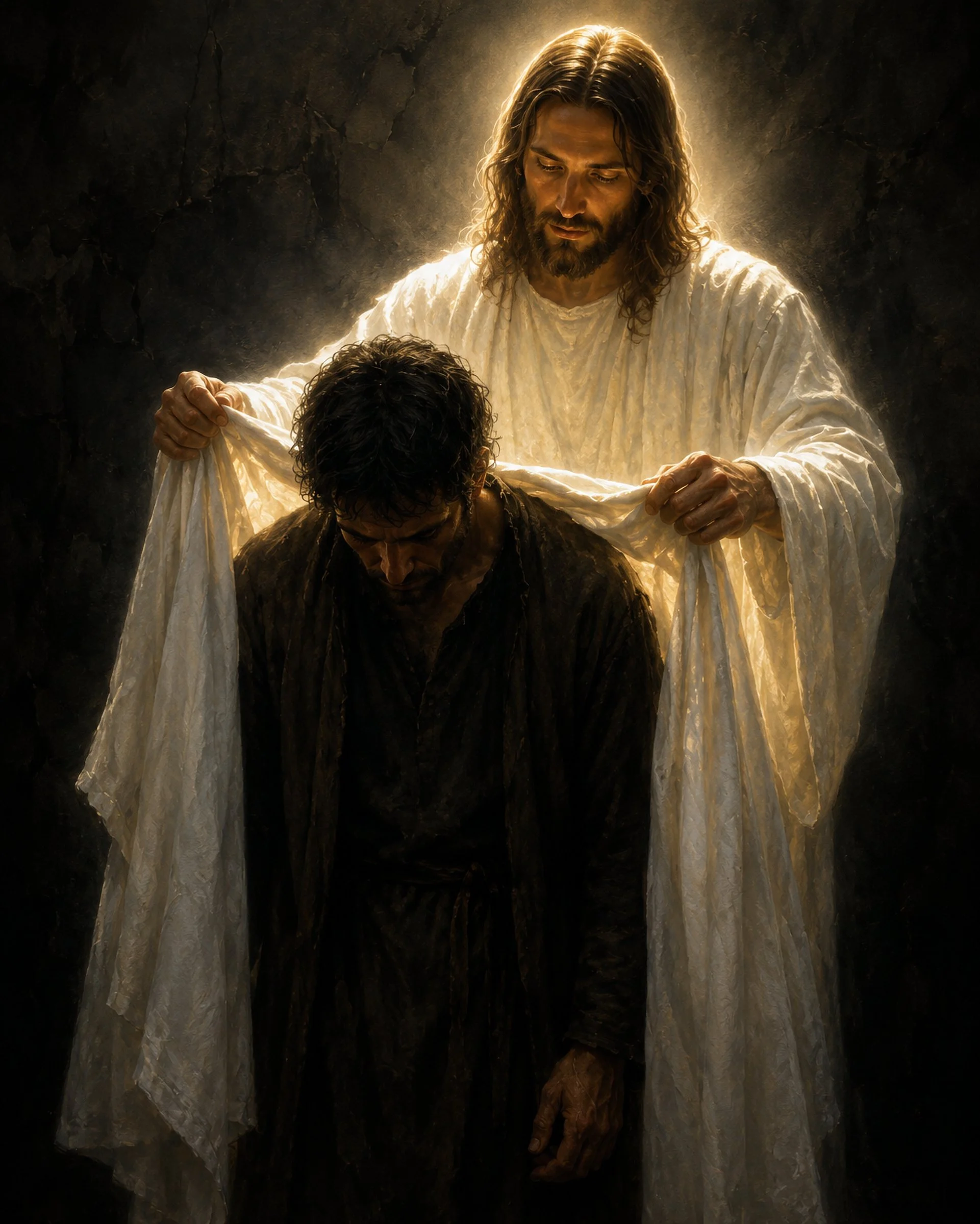
Jesus tells us in today’s Gospel that the righteousness of His disciples must “exceed the righteousness of the scribes and Pharisees.” And here we encounter a tragic paradox. These words ought to humble us, for they reveal how far we fall short of the perfect righteousness of God. Yet instead, they may become an occasion of pride, tempting us to congratulate ourselves that, at least, we are better than the scribes and Pharisees.
Fifth Sunday after Trinity AD 2026
“Love as brethren, not rendering evil for evil, but contrariwise blessing.” With these words, Saint Peter sums up the very essence of our Christian faith. For this is exactly what God has done for us, and how He has dealt with us: He has loved us so greatly that He has not rewarded us according to our sins and iniquities, but has given us, in His only begotten Son, the fullness of His blessing and the gift of immortal life.