Fourteenth Sunday after Trinity AD 2026
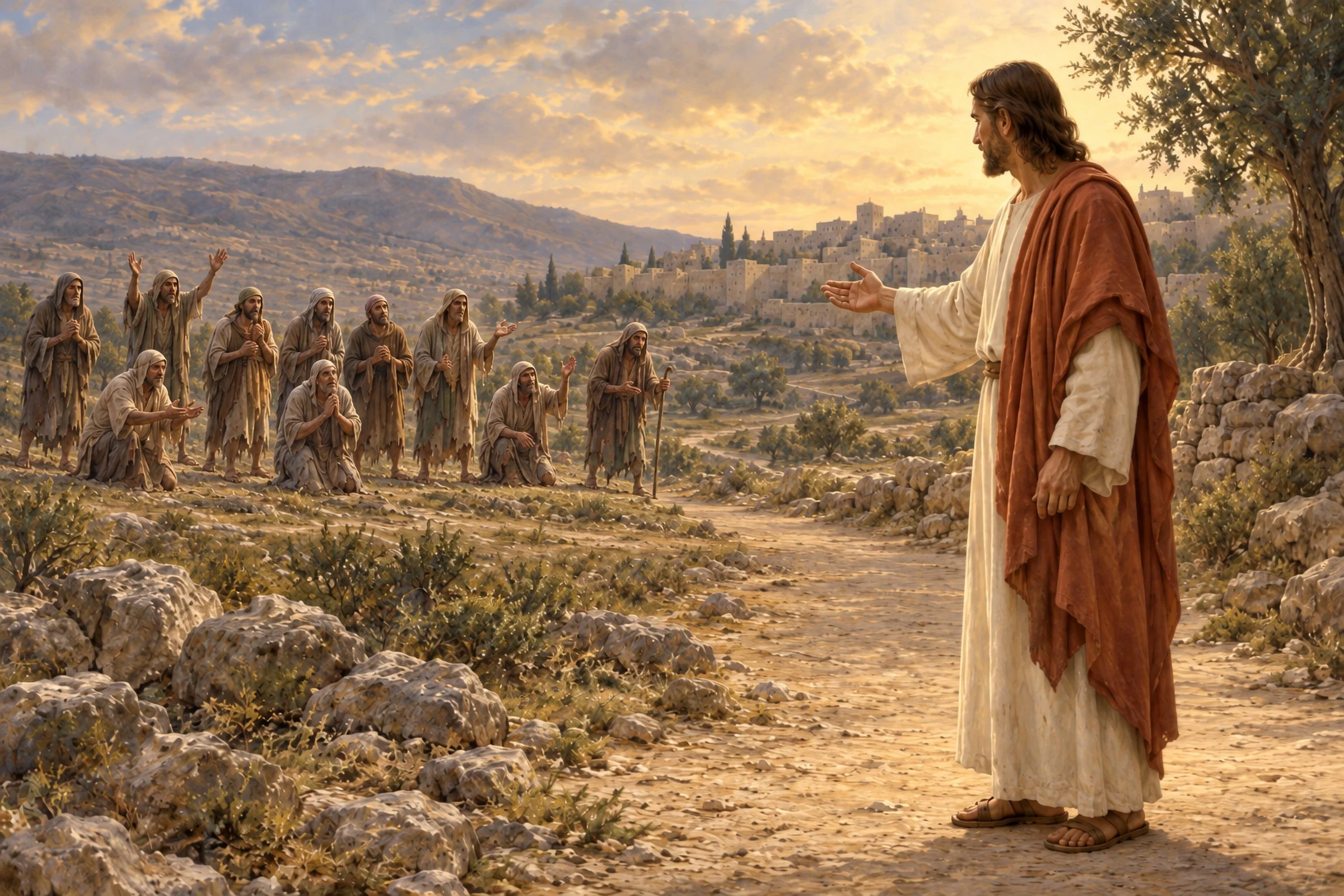
The ten lepers stood at a distance and cried, “Jesus, Master, have mercy on us.” Their healing reminds us that no sickness, sin, or human weakness places us beyond the reach of God’s mercy. Like the lepers, we cannot heal or save ourselves, but we can call upon Christ, trust His word, and allow Him to lead us into new life. Our only lasting hope is God—and He is never farther away than a single prayer.
Thirteenth Sunday after Trinity AD 2026
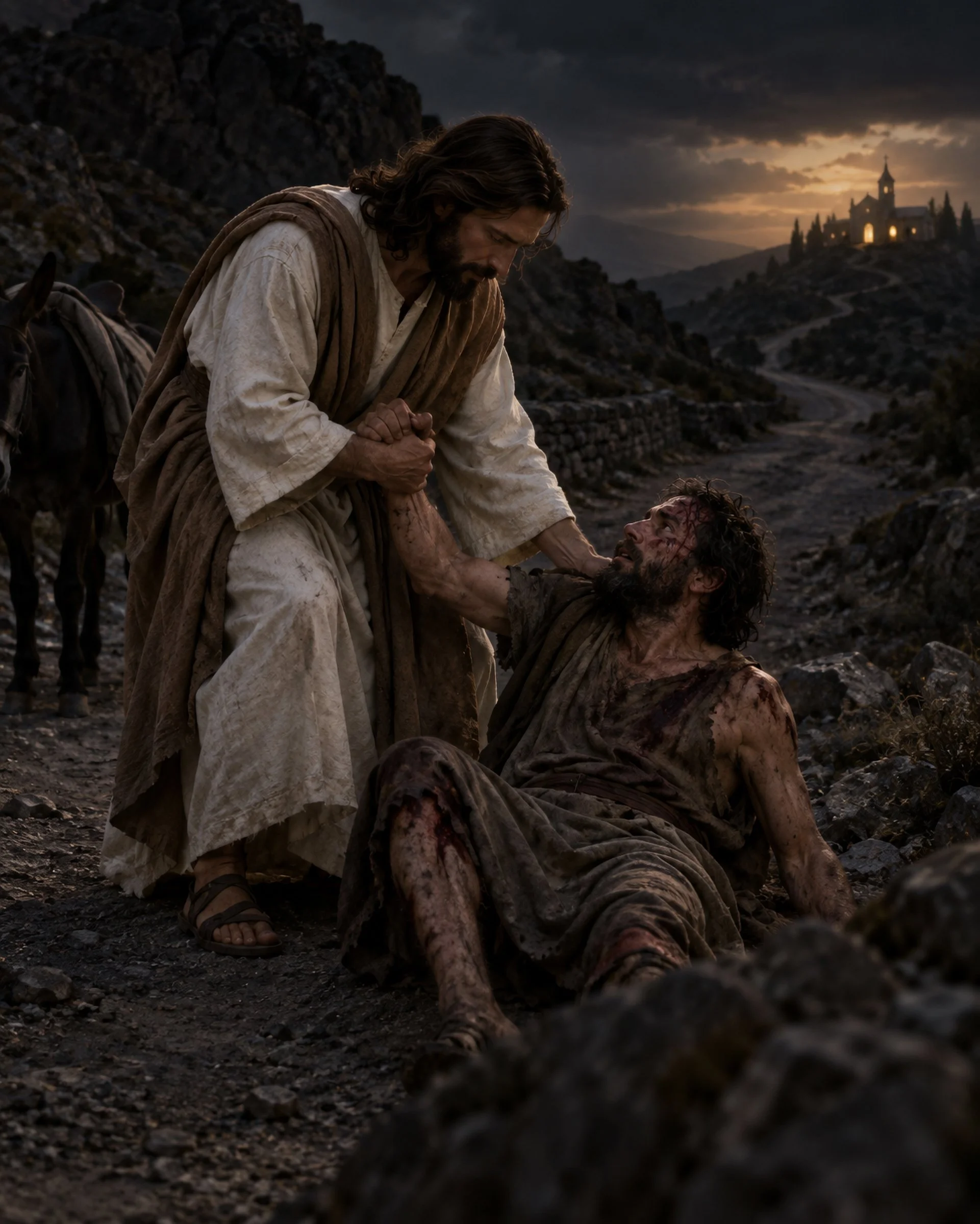
The parable of the Good Samaritan teaches us that knowing God’s commandments is not enough—we are called to live them. True love does not consist in appearances, moral superiority, or pious words, but in seeing those in need and acting with mercy. The Good Samaritan points ultimately to Christ Himself, who saw us in our misery, came to our aid, healed our wounds, and brought us into the refuge of His Church. As His followers, we are called to learn to see with His eyes and to “go, and do thou likewise.”
Tenth Sunday after Trinity AD 2026
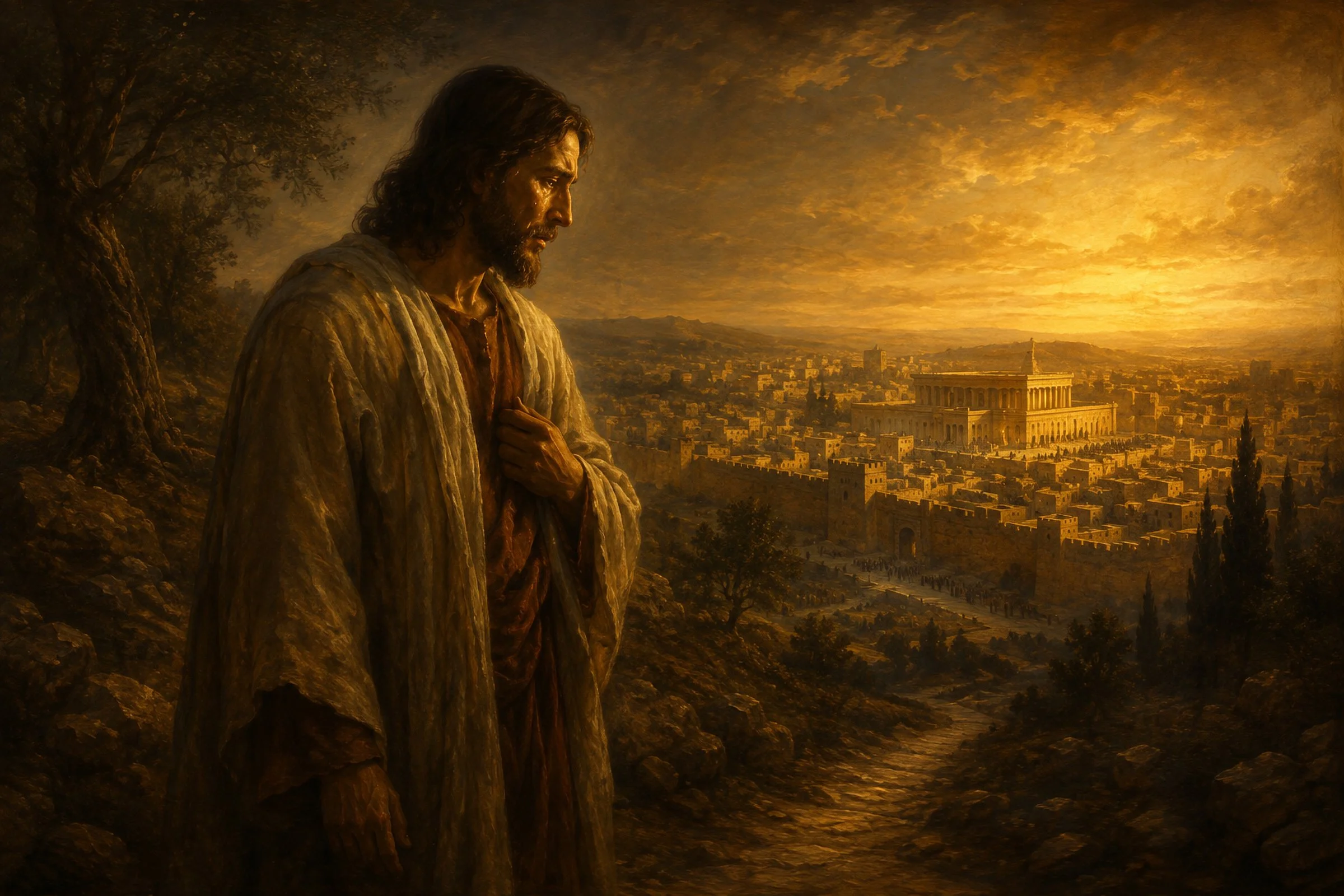
When Jesus wept over Jerusalem, He saw beyond its outward prosperity to its deepest need: reconciliation with God. Christ did not come merely to preserve cities, temples, nations, or empires, but to save human souls. By taking our sins upon Himself and giving Himself upon the Cross, He came to rescue us even from ourselves, to renew us, and to give us true life.
The peace for which we long is found not in the security of this world, but in Jesus Christ. Through faith, obedience, and trust in His grace, we are reconciled to God and given peace within our souls. Even when everything around us seems to be passing away, Christ remains our sure hope: He has come that we may not die, but live—truly, fully, and for ever.
Ninth Sunday after Trinity AD 2026
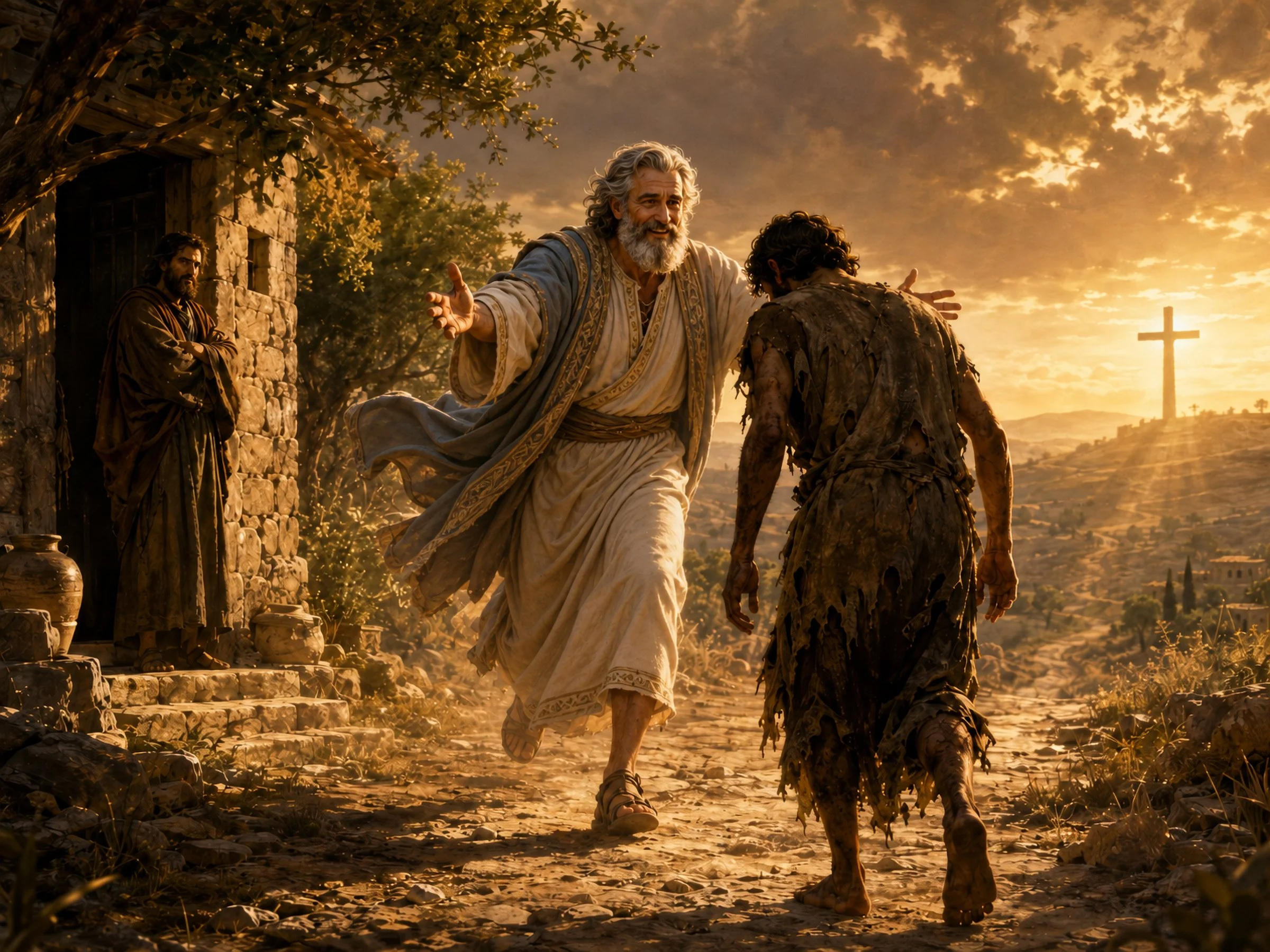
The Parable of the Prodigal Son reveals the effects of original sin in both the younger and the elder brother. One openly rebels and wastes his inheritance, while the other remains outwardly obedient but inwardly proud, resentful, and distant from his father. Both care more about what they can receive than about the father himself.
The way back begins when the sinner comes to himself, confesses his sin, and returns to the Father in humble trust. True repentance is more than regret: it means turning away from evil, seeking forgiveness, and allowing God’s grace to transform one’s life.
At the heart of the parable stands the Father’s immeasurable love. God runs to meet the sinner, restores him, and receives him again as His child. Our redemption has been purchased not by the sacrifice of a fatted calf, but by the death of the only-begotten Son of God, who reconciles us to the Father through His holy Cross and precious Blood.
Eighth Sunday after Trinity AD 2026
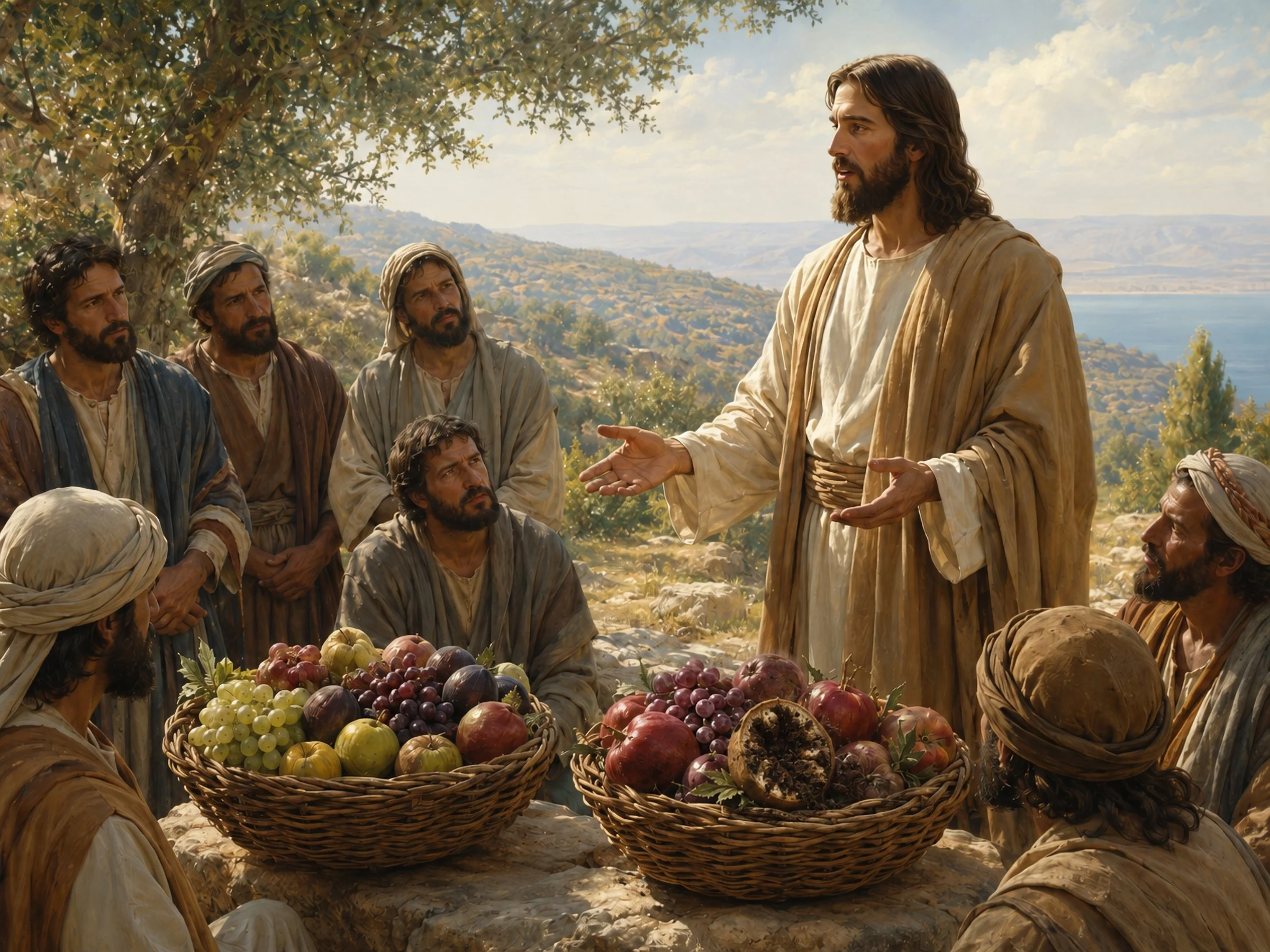
Our Lord’s warning about good and corrupt trees reveals that evil is not something God created, but the corruption and misuse of what He made good. Sin can rot the human heart from within, even when a person appears respectable and religious on the outside. We cannot restore ourselves any more than a rotten tree can make itself healthy again. Only God can cleanse, justify, sanctify, and renew us through the Holy Ghost, enabling us to bear good fruit and become what He created us to be.
Seventh Sunday after Trinity AD 2026
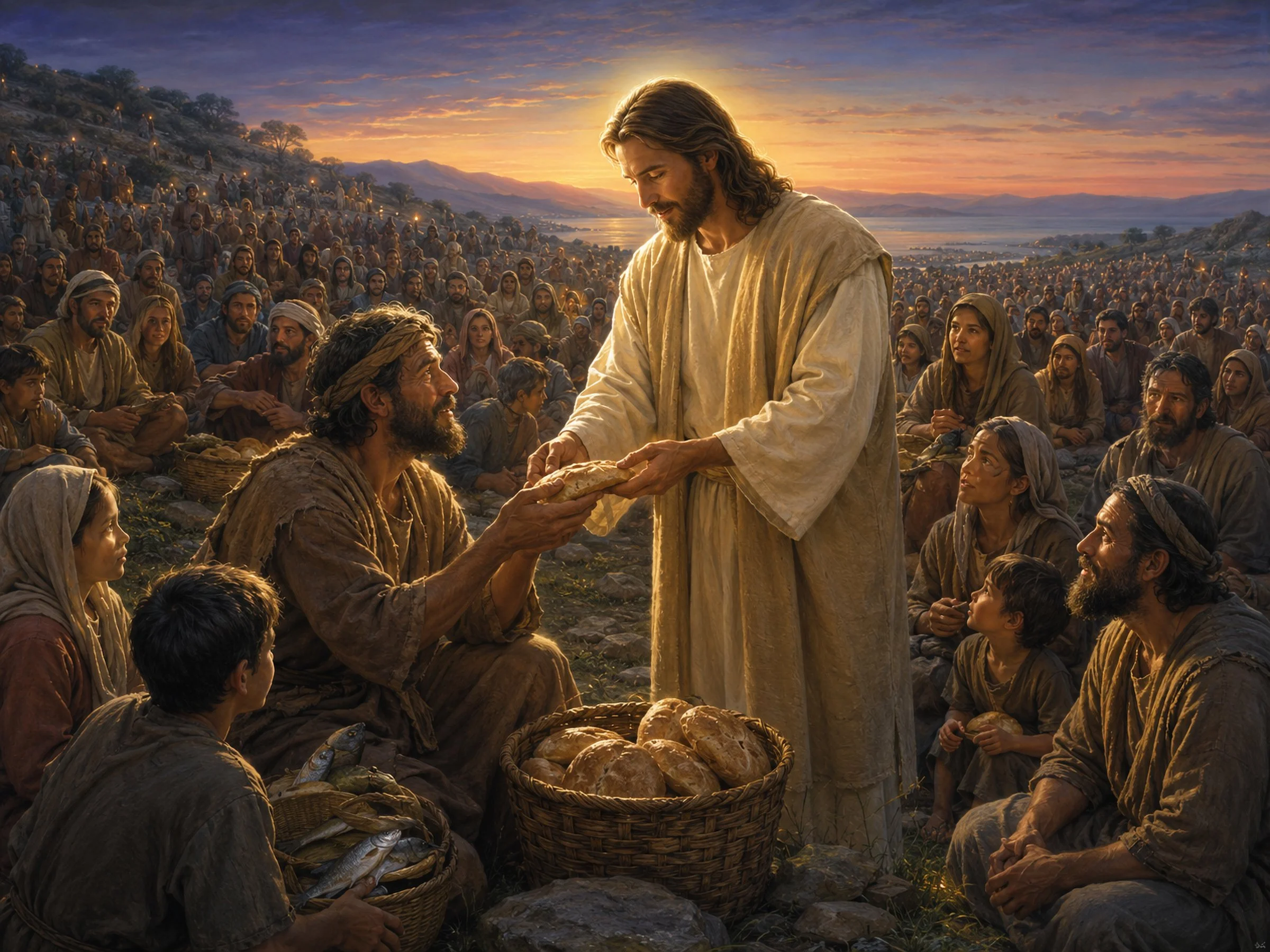
The miracle of the feeding of the four thousand reveals far more than Christ’s concern for physical hunger. It shows His divine compassion for fallen humanity and for every individual soul. The Son of God entered our condition, bore our sins upon the cross, and continues to nourish and strengthen us so that we will not “faint by the way.”
Left to ourselves, we repeatedly return to sins that we know will harm us. Yet Christ does not send us away to struggle alone. Through Baptism, His Sacred Word, His sanctifying grace, and especially His precious Body and Blood in the Holy Sacrament, He frees us from sin and brings forth in us the fruit of holiness.
Jesus Himself is the Bread we need for the journey. Apart from Him, we lose the way, the truth, and the life. But if we remain with Him and entrust ourselves to His grace, He will guide and sustain us until we are welcomed into the heavenly banquet and filled forever with His life-giving love.
Sixth Sunday after Trinity AD 2026
This sermon reflects on Christ’s call to be the light of the world and to possess a righteousness that exceeds that of the scribes and Pharisees. True righteousness is not an achievement of our own, but the righteousness of Christ given to us by grace. Because we have been raised with Christ into new life, we are called to become instruments of His righteousness and bearers of His light. Even the smallest ray of Gospel hope can strengthen those who live in darkness, and through our witness Christ may be born in the hearts of others.
Fifth Sunday after Trinity AD 2026
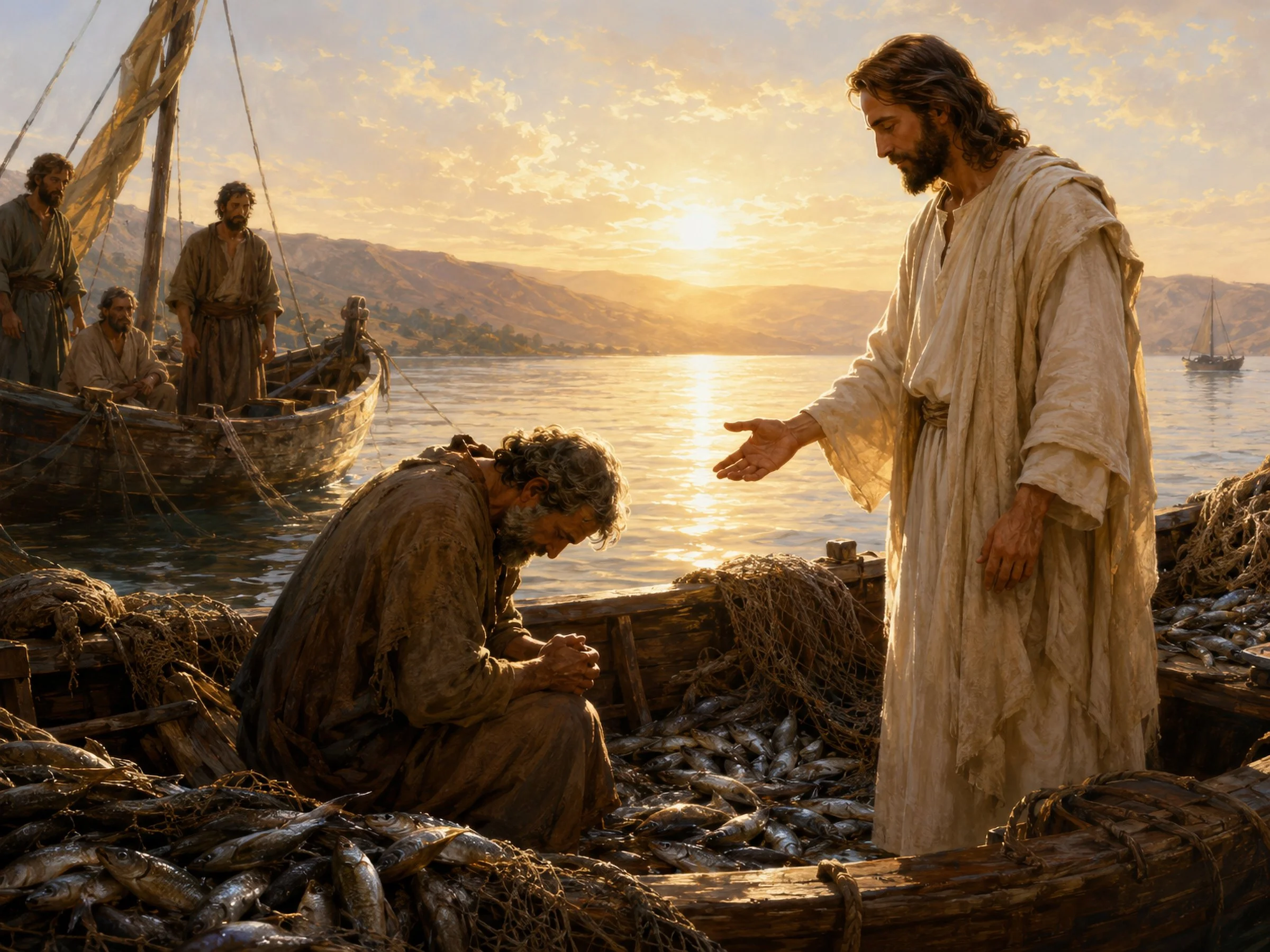
Confronted by the holiness of Christ, Simon Peter became painfully aware of his own sinfulness and cried, “Depart from me; for I am a sinful man, O Lord.” Yet Jesus did not depart from him. Instead, He forgave him, called him to follow, and entrusted him with the apostolic ministry of bringing forgiveness and new life to others.
True confession requires an honest examination of conscience, sincere contrition, a firm purpose of amendment, and concrete acts of penance and reparation. Rather than hiding from God because of our sins, we are called to approach Christ in humility and faith, saying: “Lord, I am a sinful man. Forgive me, and give me new life.”

Independence Day AD 2026
In the 250th year of American independence, this sermon reflects on Christ’s command, “Be ye therefore perfect,” and applies it to both personal Christian life and the life of the nation. America’s greatness has historically been found not in tearing down, but in building up—through the Declaration of Independence, reconciliation after the Civil War, and unity in times of crisis. Yet today’s growing division and hostility threaten that common purpose. The sermon calls Christians to resist hatred, love even their enemies, and work for reconciliation, trusting in divine Providence and seeking the rebuilding of society according to God’s will.

Fourth Sunday after Trinity AD 2026
Christ calls us not to judge or condemn, but to be merciful as our Father is merciful. This requires real spiritual discipline: regular prayer, obedience to God’s Word, participation in the Church’s worship, Holy Communion, and Confession. As athletes train for victory, Christians must exercise themselves unto godliness, trusting that God will bring them through the sufferings of this present time into the glorious liberty of His children.

Third Sunday after Trinity AD 2026
Christ, the Good Shepherd, seeks and saves every lost soul. Drawing on the parables of the lost sheep and the lost coin, the sermon reminds us that we are all sinners in need of rescue from pride, despair, and death. Through His precious blood, Christ redeems us and prepares for us the eternal joy of His heavenly Kingdom.

Second Sunday after Trinity AD 2026
The Parable of the Great Supper reveals God's gracious invitation to salvation through Jesus Christ. While God has prepared everything necessary for our redemption, many place worldly concerns, possessions, or even good gifts above their relationship with Him. The message reminds us that salvation rests not on our worthiness but on God's grace, calling us to repentance, faith, and joyful acceptance of the eternal feast prepared for His redeemed people.

First Sunday after Trinity AD 2026
In the parable of the Rich Man and Lazarus, Jesus overturns the values by which people often judge one another. Wealth, status, and outward respectability do not determine a person's standing before God; what matters is the condition of the heart. The sermon exposes the subtle pride and self-sufficiency that can separate us from God, reminding us that salvation is received solely through His grace. Having been loved and carried by that grace, Christians are called to respond by loving others with humility and compassion.
Trinity Sunday AD 2026
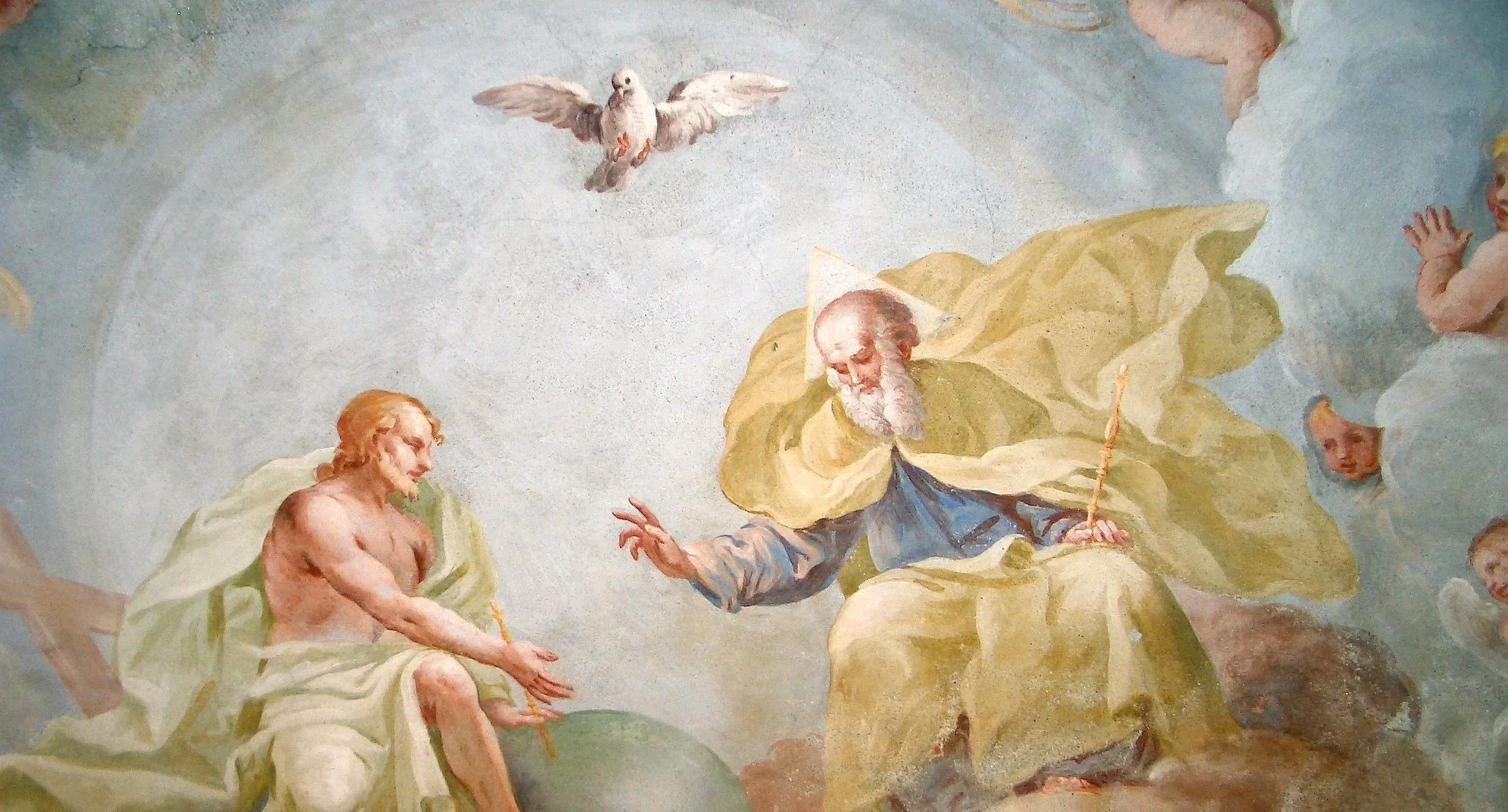
The Holy Trinity is not an abstract doctrine reserved for theologians—it is the heart of the Christian faith and the foundation of our salvation. This sermon shows how the Father created us, the Son redeemed us, and the Holy Spirit brings us to new life through faith and Baptism. It reminds us that God does not stand far off from our struggles but comes to us in love, offering forgiveness, renewal, and eternal life. In response to such love, Christians are called to trust God, follow Christ, and live as His children.

Pentecost AD 2026
The question of who the Holy Ghost is is far more important than many people realize. To know God as He truly is is not only a matter of truth but of life itself, for our relationship with Him shapes both our present existence and our eternal destiny. The Holy Ghost is the third Person of the Holy Trinity, the Lord and Giver of Life, who brings us into communion with God and pours His love into our hearts. Through Him we receive forgiveness, renewal, spiritual gifts, and the grace to grow in holiness.
Sunday after Ascension Day AD 2026
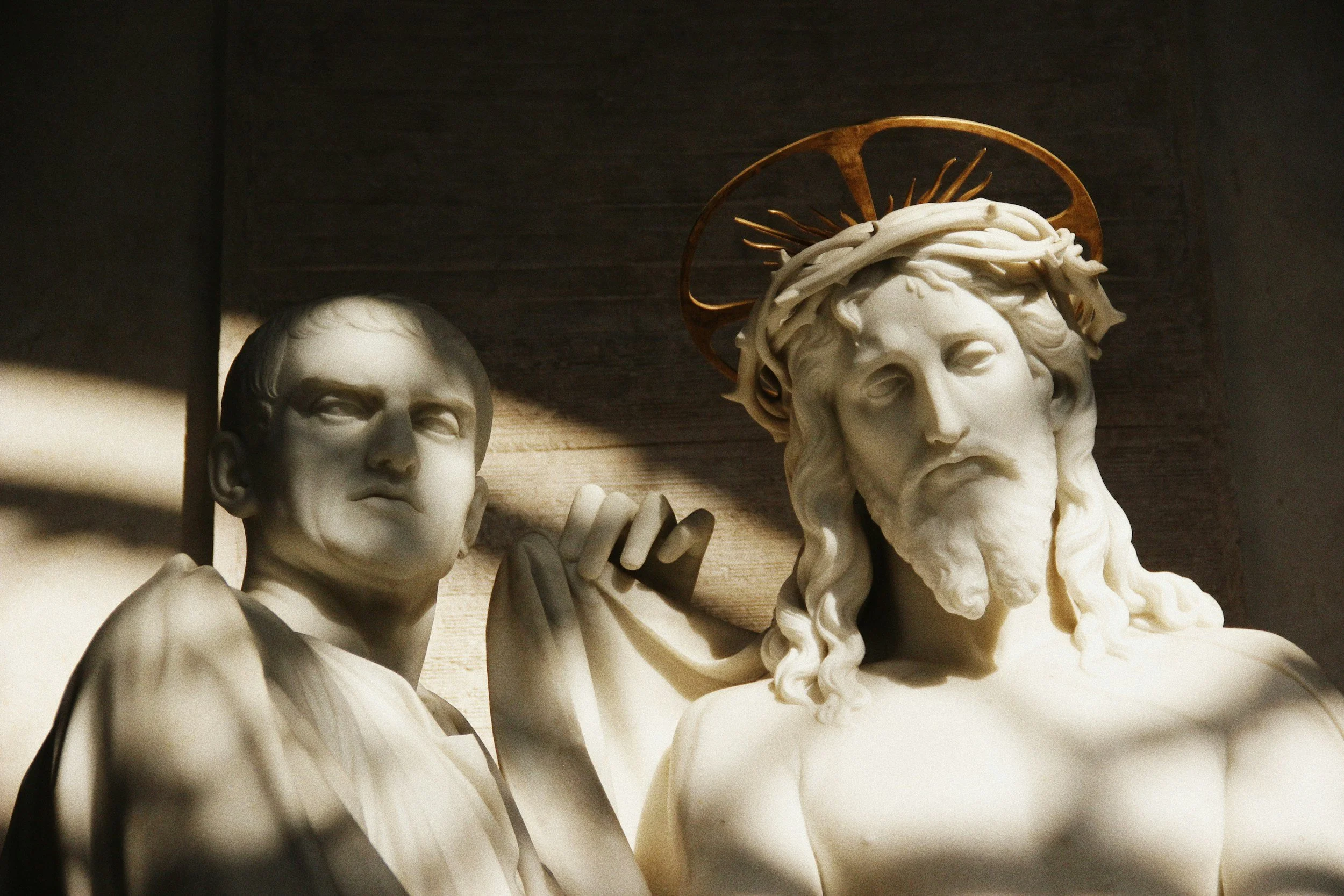
In an age dominated by misinformation, fear, and division, one question echoes more urgently than ever: What is truth? Beginning with Pilate’s question to Jesus, this message explores how modern society has lost confidence in truth itself—and why only Christ can restore it. Through reflections on repentance, humility, courage, and the guidance of the Holy Spirit, Christians are called to reject falsehood and live boldly in the light of eternal truth.

Ascension Day AD 2026
On the Feast of the Ascension, this sermon asks a profound question: Where is God? Drawing from Solomon’s prayer and the words of Christ, it proclaims that God is not distant or absent, but near to His people in every moment of life. Through Jesus’ incarnation, death, resurrection, and ascension, the way to heaven has been opened, and believers are invited to live in the presence of God both now and forever.
Rogation Sunday AD 2026
What does it take for civilized people to forget compassion, humility, and conscience? This sermon confronts the uncomfortable truth that even those who consider themselves “good” are far closer to spiritual collapse than they imagine. Set in the joy of Easter yet grounded in the reality of human weakness, it explores why repentance is not only for notorious sinners, but for every soul that falls short of divine love. Through Scripture, personal reflection, and a striking real-life story of people unraveling under pressure, the message points to the only true hope for humanity: the mercy of God revealed in the crucified and risen Jesus Christ.
Fourth Sunday after Easter AD 2026
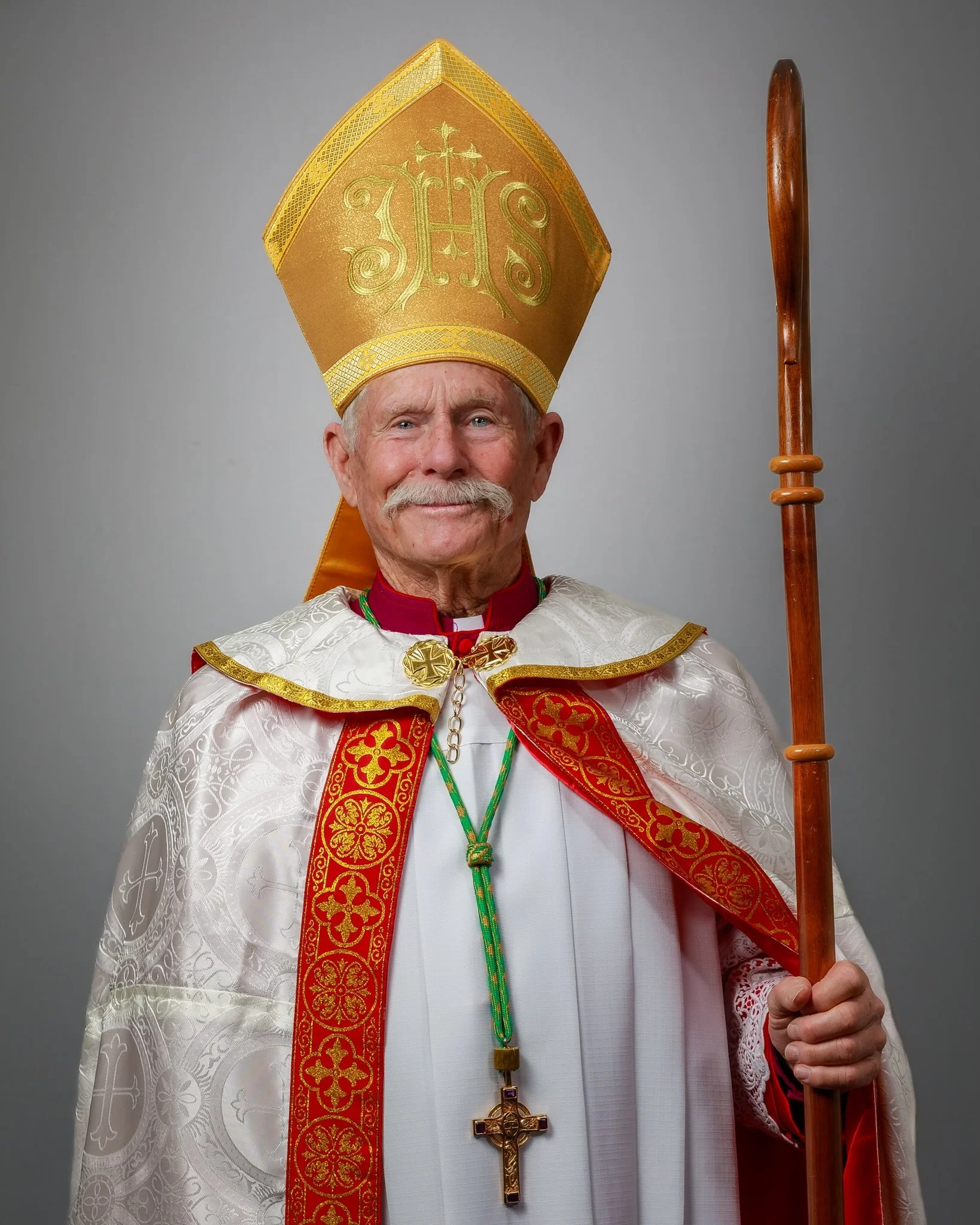
In this thoughtful sermon for the Fourth Sunday after Easter, Bishop Robert Hammond reflects on the Book of Common Prayer’s petition that God would “teach our unruly wills” to love what He loves and direct our affections toward the true joys found only in Christ. The sermon emphasizes that the ultimate purpose of the Church is to draw people into Christ and make them more Christ-like. Amid the “sundry changes” and uncertainties of life, believers are reminded that God alone remains constant and faithful. Bishop Hammond also points to the coming celebrations of Ascension Day and Pentecost, reminding believers of Christ’s promise to send the Holy Spirit—the Comforter and Spirit of Truth—to guide and strengthen His people.
Third Sunday after Easter AD 2026
Christ did not die and rise for Himself, but for us—so that our sins might be forgiven and we might share in eternal life. Through faith and baptism, we are united with Him: we die to sin and begin a new life in righteousness.
For now, we live in the “little while” between Christ’s ascension and His return. This life includes struggle, sorrow, and opposition, yet it is marked by hope. Jesus promises that our sorrow will be turned into joy, and that the glory ahead is greater than anything we can imagine.
This hope calls us to live faithfully. Our choices matter—not only for ourselves, but for others who may come to know God through us. Though we do not yet see Christ, He has not left us. He will return, and when He does, our joy will be complete and everlasting.